 Worldlex Wiki
Genital piercings and genital tattooing may be performed for aesthetic reasons, but piercings can have the benefit of increasing sexual pleasure for the pierced individual or their sex partners.
Similarly, pearling involves surgical insertion of small, inert spheres under the skin along the shaft of the penis for the purpose of providing sexual stimulation to the walls of the vagina. Similar to tattooing, genital scarification is primarily done for aesthetic reasons by adding decorative scars to the skin. The genital decoration by scars is an ancient tradition in many cultures, both for men and women.
Clitoris enlargement may be achieved temporarily through the use of a clitoral pump, or it may be achieved permanently through the application or injection of testosterone.Penis enlargement is a term for various techniques used to attempt to increase the size of the penis, though the safety and efficacy of these techniques are debated.
Gender-affirming surgery
Some of the surgical procedures are vaginoplasty (creation of a vagina) and vulvoplasty (creation of a vulva) for trans women and metoidioplasty (elongation of the clitoris), phalloplasty (creation of a penis), and scrotoplasty (creation of a scrotum) for trans men. Trans women may also benefit from hair removal and facial feminization surgery, while some trans men may have liposuction to remove fat deposits around their hips and thighs.Hijra, a third gender found in the Indian subcontinent, may opt to undergo castration. In rare cases, a child's gender has been reassigned without their consent due to genital injury, such as David Reimer, who was the subject of John Money's John/Joan case. Similarly, intersex people often benefit from gender-affirming surgeries but are also sometimes subjected to them without consent in a violation of intersex human rights. The specialized term is intersex medical interventions.
Nontherapeutic
The following types of unvoluntary genital cutting or surgery are sometimes performed on children for nontherapeutic (medically unnecessary) reasons: clitoral reduction surgeries on children with congenital adrenal hyperplasia (CAH), hypospadias surgeries, removal of internal gonads and penile circumcision. In some societies, other types of endosex girl genital cutting happen. They can be done for psychosocial, cultural, subjective-aesthetic, or prophylactic perceived benefits, as judged by doctors or parents.
Penile subincision, or splitting of the underside of the penis, is widespread in the traditional cultures of Indigenous Australian children. This procedure has been adapted for adults in Western body modification culture, the modern primitives.Meatotomy is a form that involves splitting of the glans penis alone, while bisection is a more extreme form that splits the penis entirely in half.
Opposition
These surgeries are usually performed for cosmetic benefit rather than for therapeutic reasons. Most surgeries involving children with ambiguous genitalia are sexually damaging and may render them infertile. For example, in cases involving male children with micropenis, doctors may recommend the child be reassigned as female. The Intersex Society of North America objects to elective surgeries performed on people without their informed consent on grounds that such surgeries subject patients to unnecessary harm and risk.
As sexual violence
Genital mutilation is common in some situations of war or armed conflict, with perpetrators using violence against the genitals of men, women, and non-binary people. These different forms of sexual violence can terrorize targeted individuals and communities, prevent individuals from reproducing, and cause tremendous pain and psychological anguish for victims. Many wars, religious conquests, and genocides have involved forced circumcision. A related practice is killing people based on their circumcision status, notably in the Bangladesh genocide and recently in the 2025 India-Pakistan Crisis.
As treatment
If the genitals become diseased, as in the case of cancer, sometimes the diseased areas are surgically removed. Females may undergo vaginectomy or vulvectomy (to the vagina and vulva, respectively), while males may undergo penectomy or orchiectomy (removal of the penis and testicles, respectively).Reconstructive surgery may be performed to restore what was lost, often with techniques similar to those used in gender-affirming surgery.
During childbirth, an episiotomy (cutting part of the tissue between the vagina and the anus) is sometimes performed to increase the amount of space through which the baby may emerge.
Hymenotomy is the surgical perforation of an imperforate hymen. It may be performed to allow menstruation to occur. An adult individual may opt for increasing the size of their hymenal opening, or removal of the hymen altogether, to facilitate sexual penetration of their vagina.
Self-inflicted
Female
It is practiced in several parts of the world, but the practice is concentrated more heavily in Africa, most of the Middle East, and some other parts of Asia. Over 125 million women and girls have experienced FGM in the 29 countries in which it is concentrated. Over eight million have been infibulated, a practice found largely in Djibouti, Eritrea, Somalia and Sudan. Infibulation, the most extreme form of FGM (known as Type III), consists of the removal of the inner and outer labia and closure of the vulva, while a small hole is left for the passage of urine and menstrual blood; afterwards the vagina will be opened after the wedding for sexual intercourse and childbirth (see episiotomy). In the past several decades, efforts have been made by global health organizations, such as the WHO, to end the practice. FGM is condemned by international human rights organizations. The Istanbul Convention prohibits FGM (Article 38).
FGM is considered a form of violence against women by the Declaration on the Elimination of Violence Against Women, which was adopted by the United Nations in 1993; it states: "Article Two: Violence against women shall be understood to encompass, but not be limited to, the following: (a) Physical, sexual and psychological violence occurring in the family, including ... female genital mutilation ...". However, because of its importance in traditional life, it continues to be practised in many societies.
Hymenorrhaphy
Labia stretching
Vulvoplasty and vaginoplasty
Some women undergo vaginoplasty or vulvoplasty procedures to alter the shape of their vulvas to meet personal or societal aesthetic standards. The cosmetic surgery of female genitalia, also known as elective genitoplasty, is controversial amongst Gender and Women's Studies scholars, with opponents pejoratively referring to the procedures as "designer vaginas". In May 2007, an article published in the British Medical Journal strongly criticised this craze, citing its popularity being rooted in commercial and media influences. Similar concerns have been expressed in Australia.
Dans son article « Vagins de créateurs », Simone Weil Davis aborde la modification du vagin et les pressions extérieures subies par les femmes, pouvant engendrer un sentiment de honte vis-à-vis de leurs petites lèvres . Elle explique que les médias, notamment la pornographie, véhiculent une image malsaine du « vagin idéal » et que les femmes se sentent inférieures à leurs parties intimes, ce qui les pousse à adopter des comportements conformes à cette conception. Ces complexes sont également renforcés par les partenaires et d'autres femmes. L'essor de ces interventions s'explique aussi par l'intérêt croissant pour les modifications génitales non chirurgicales, comme l'épilation brésilienne, qui exposent davantage la vulve au jugement. La vulvoplastie et la vaginoplastie peuvent également être motivées par une volonté de contrôler l'apparence physique et le comportement sexuel des femmes, en considérant leur vagin comme un organe à gérer, à contrôler et, en fin de compte, à juger « acceptable ».
Clitoral hood reduction is a form of hoodplasty. When performed with the consent of the adult individual, it can be considered an electiveplastic surgery procedure for reducing the size and the area of the clitoral hood (prepuce) in order to further expose the glans of the clitoris; the therapeutic goal is thought to improve the sexual functioning of the woman, and the aesthetic appeal of her vulva. The reduction of the clitoral prepuce tissues usually is a sub-ordinate surgery within a labiaplasty procedure for reducing the labia minora; and occasionally within a vaginoplasty procedure. When these procedures are performed on individuals without their consent, they are considered a form of female genital mutilation.
Male
Castration
The removal of one testicle (sometimes referred to as unilateral castration) is usually done in the modern world only for medical reasons.
Circumcision
Circumcision is the removal of the foreskin, the double-layered fold of skin, mucosal and muscular tissue at the distal end of the human penis. Around half of all circumcisions worldwide are performed for reasons of preventive healthcare; half for religious or cultural reasons. Circumcision involves either a conventional "cut and stitch" surgical procedure or use of a circumcision instrument or device. Complications are rare. Opponents, particularly of routine neonatal circumcision, question its preventive efficacy and object to subjecting non-consenting newborn males to a procedure that is potentially harmful, in their view, with little to no benefit, as well as violating their human rights and possibly negatively impacting their sex life. There is a consensus among the world's major medical organizations and in the academic literature that circumcision is an efficacious intervention for HIV prevention in high-risk populations if carried out by medical professionals under safe conditions. They hold variant perspectives on the prophylactic efficacy of the elective circumcision of minors in developed nations. No major medical organization recommends circumcision for all newborns, but few countries ban the practice.
Foreskin restoration
Foreskin restoration and reconstruction are techniques for the recreation of the foreskin after its removal by circumcision or injury.
Nonsurgical restoration involves tissue expansion by stretching the penile skin forward over the glans penis with the aid of tension, either by hand or with a restoration device. Surgical reconstruction often involves grafting skin taken from the scrotum onto a portion of the penile shaft.
Infibulation
L'infibulation signifie littéralement « fermer avec une agrafe ou une épingle ». Ce terme désigne également la suture du prépuce sur le gland .
L'infibulation chez les Grecs anciens consistait à ligaturer la partie distale du prépuce à l'aide d' une kynodesme afin de dissimuler le gland. La kynodesme était également utilisée par les Étrusques et les Romains (ligatura praeputii), mais ces derniers préféraient appliquer un anneau d'or, d'argent ou de bronze ( annulus ), une agrafe métallique ( fibula ) ou une épingle. L'utilisation d'une kynodesme pouvait également entraîner un allongement permanent du prépuce au fil du temps, ce qui était considéré comme convenable et souhaitable.
De nos jours, l'infibulation masculine peut être pratiquée par préférence personnelle ou dans le cadre du BDSM .
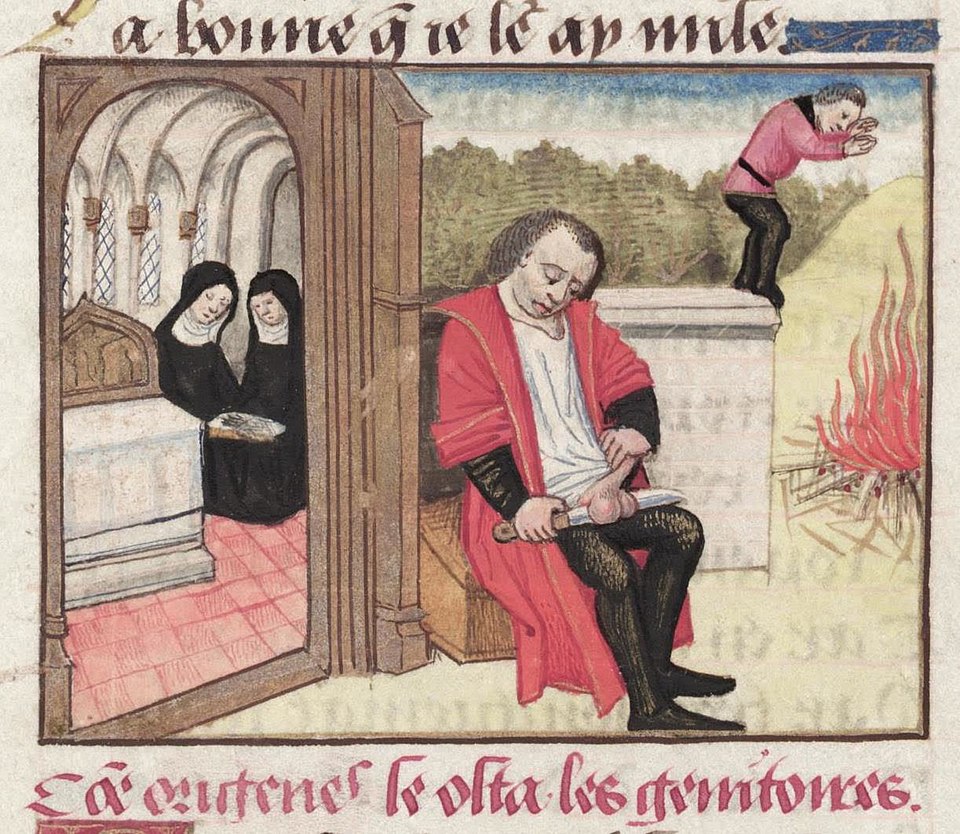
Émasculation
La nullification génitale est une pratique courante au sein d'une sous-culture de modification corporelle composée principalement d'hommes ayant subi une ablation chirurgicale des organes génitaux. Les personnes qui y ont recours sont souvent appelées « nulos » et ne sont pas nécessairement transgenres ou non binaires ; certaines s'identifient comme eunuques . Le terme « nulo » est l'abréviation de nullification génitale . Bien que cette procédure soit principalement demandée par des hommes, la mutilation génitale féminine peut être désignée sous le terme de nullification clitoridienne.
Dans l’Asie du Sud contemporaine , certains membres des communautés hijra subiraient une castration. Ce procédé, appelé nirwaan , est considéré comme un rite de passage .
Cela faisait partie du processus de formation des eunuques à la traite des esclaves arabes . Un esclave castré valait plus cher, ce qui compensait les pertes dues à la mort.
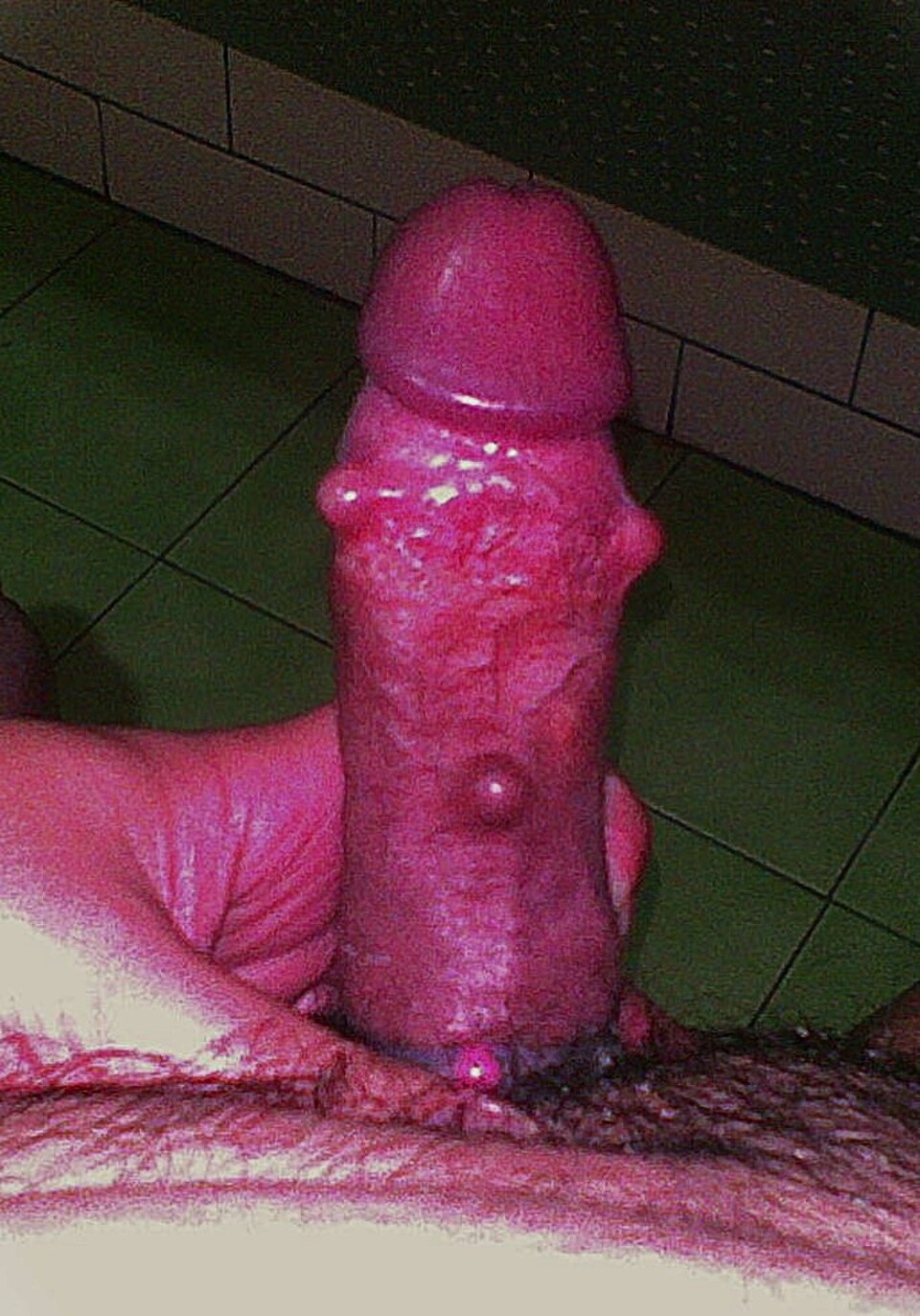
Perlage
Pénectomie
Lors de la cérémonie de circoncision ulwaluko , qui est effectuée à l'aide d'une lance, la pénectomie accidentelle représente un risque sérieux.
Aux États-Unis, en 1907, Bertha Boronda a sectionné le pénis de son mari avec un rasoir droit. Lorena Bobbitt a tristement fait de même en 1993. Dans ce dernier cas, la microchirurgie a permis de réimplanter le pénis de Bobbitt.
agrandissement du pénis
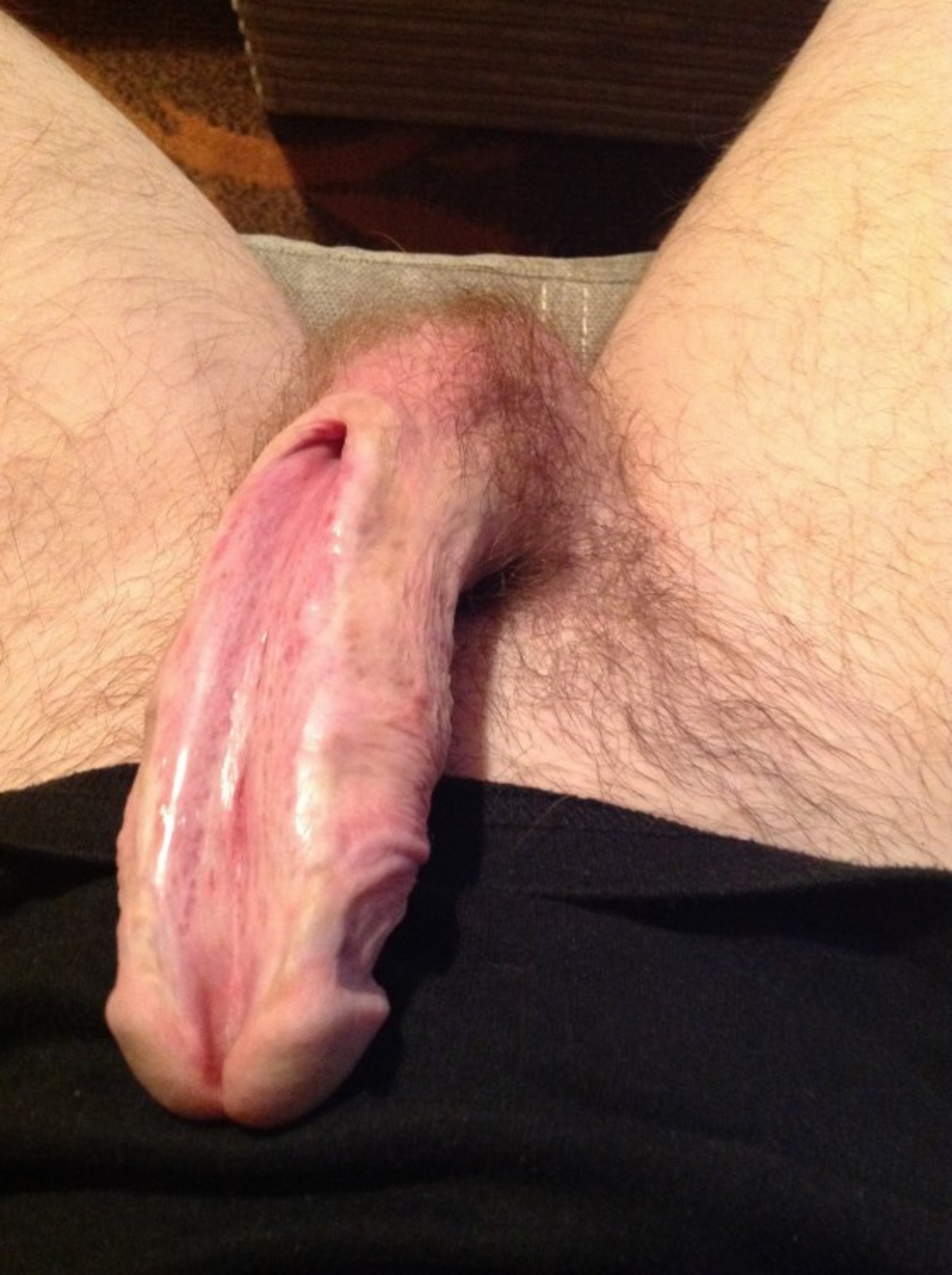
Penile subincision is a form of genital modification involving a urethrotomy and vertically slitting the underside of the penis from the meatus towards to the base. It was performed on children by people of some cultures, such as the Indigenous Australians, the Arrente, the Luritja, the Samburu, the Samoans, and the Native Hawaiians. Indigenous Australians also perform circumcision as a prerequisite for subincision. It may also be performed for personal preference. Subincision always cuts all the way through the underside of the meatus or tip of the penis, different styles can go different lengths along the shaft towards the base as well. Penile subincision may leave a man with an increased risk of sexually transmitted diseases, issues with fertility (due to lack of control over what direction the sperm goes after ejaculation), and may require a man to sit down while urinating. When the surgery is not performed in a hospital or by a licensed medical professional, complications such as infection, exsanguination, or permanent damage are major concerns.
Penile superincision
A dorsal slit (also known as superincision) is an incision made along the upper length of the foreskin with the intention to expose the glans penis without removing skin or tissue.
The practice appears to have occurred in Ancient Egypt, though not commonly:
A few examples of Old Kingdom... statuary present some adult males—usually priests, functionaries, or low-status workers—as having undergone a vertical slit on the dorsal aspect of the prepuce, although no flesh has been removed.
It may be performed as a part of traditional customs, such as those in the Pacific Islands and the Philippines. In the medical field, it may be performed for as an alternative to circumcision when circumcision is undesired or impractical. It remains a rare surgery and practice overall.
Plus d articles de Worldlex Wiki
Revenez a l index pour explorer davantage de pages sur l histoire, la science, la culture, la geographie et la societe en francais.
Explorer l index